• 5 min read • B2B Marketing
Last updated
Discover the intricate video production process from concept to distribution. Learn how each stage contributes to creating compelling and impactful videos.
Behind the Scenes: The Video Production Process Explained
Creating a compelling video is an intricate process that involves several stages, each critical to the final product. From initial concept development to the final cut, understanding the video production process can help demystify the art of filmmaking and reveal the meticulous work behind each frame. Let’s take a journey behind the scenes to explore the video production process step-by-step.
1. Concept Development
The video production process begins with concept development. This stage involves brainstorming ideas, defining the video’s purpose, and identifying the target audience. It's essential to have a clear vision and objective for the video. Whether the goal is to inform, entertain, or promote, having a well-defined concept sets the foundation for all subsequent stages.
During this phase, key questions are addressed:
- What is the main message?
- Who is the intended audience?
- What tone and style will best convey the message?
Once these questions are answered, a creative brief is prepared. This document outlines the video’s objectives, target audience, key messages, and creative direction. It serves as a roadmap for the entire production process.
2. Scriptwriting
With the concept in place, the next step is scriptwriting. The script is the blueprint for the video, detailing the narrative, dialogue, and visual elements. A well-crafted script ensures that the story flows logically and engages the audience from start to finish.
Scriptwriting involves several iterations and revisions. It’s crucial to get feedback from stakeholders to refine the script and ensure it aligns with the initial concept and objectives. The script also includes descriptions of scenes, actions, and transitions, providing a comprehensive guide for the production team.
3. Storyboarding
Storyboarding is the process of visualizing the script. It involves creating a series of sketches or images that represent each shot in the video. Storyboards help the production team visualize the sequence of events, camera angles, and transitions. This step is vital for planning the visual narrative and ensuring that the video’s pacing and flow are coherent.
Storyboards also serve as a communication tool between the director, cinematographer, and other team members. They provide a visual reference that helps everyone understand the creative vision and execution plan.
4. Pre-Production
Pre-production is the planning phase of the video production process. It involves organizing all the logistical elements required for the shoot. Key activities in this stage include:
- Casting: Selecting the right actors or on-screen talent to bring the script to life.
- Location Scouting: Identifying and securing locations that match the script’s requirements.
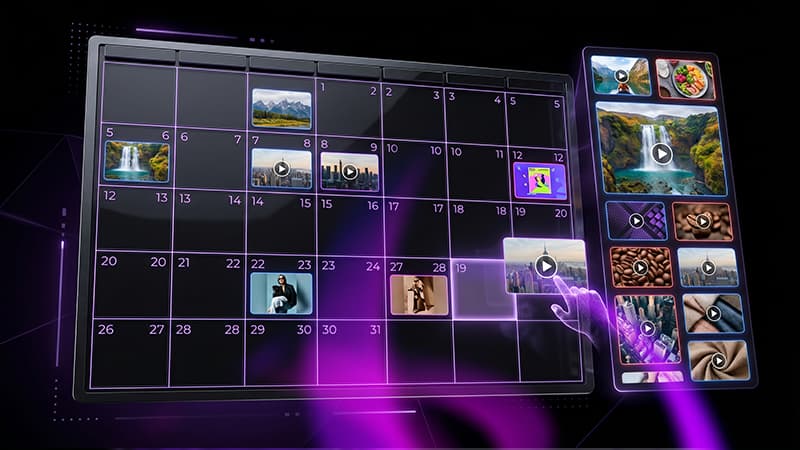
- Scheduling: Creating a detailed production schedule that outlines shoot dates, times, and locations.
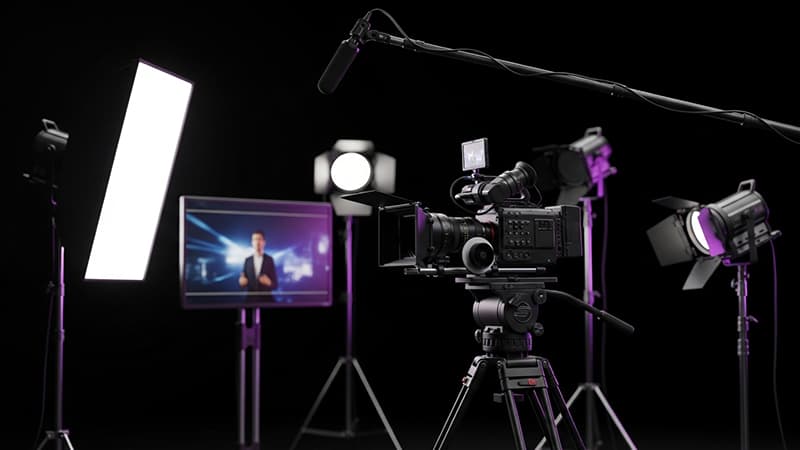
- Equipment: Arranging the necessary camera gear, lighting, and sound equipment.
- Crew: Assembling a skilled production crew, including directors, cinematographers, sound engineers, and production assistants.
Pre-production is critical for minimizing disruptions and ensuring a smooth production phase. Detailed planning and preparation can significantly impact the overall quality and efficiency of the shoot.
5. Production
The production phase is where the actual filming takes place. This stage involves executing the script and capturing the visual and audio elements needed for the video. Key activities during production include:
- Setting Up: Arranging the set, lighting, and equipment according to the storyboard and shot list.
- Filming: Directing actors and capturing footage. This involves multiple takes and adjustments to achieve the desired performance and visual style.
- Sound Recording: Ensuring high-quality audio capture, including dialogue, ambient sound, and sound effects.
- Monitoring: Continuously reviewing footage to ensure it meets the creative and technical standards.
Production requires close collaboration between the director, cinematographer, and crew. Effective communication and problem-solving skills are essential for addressing any challenges that arise during filming.
6. Post-Production
Post-production is the stage where the raw footage is transformed into a polished final product. This phase involves several key activities:
- Editing: Assembling the footage into a coherent narrative. This includes selecting the best takes, arranging scenes, and trimming excess footage.
- Sound Design: Enhancing the audio with sound effects, music, and voiceovers. This step ensures that the audio complements the visual elements and enhances the overall experience.
- Color Grading: Adjusting the color and lighting of the footage to achieve a consistent and visually appealing look.
- Special Effects: Adding visual effects, graphics, and animations to enhance the storytelling.
Editing is a meticulous process that requires attention to detail and creative vision. The goal is to create a seamless and engaging final product that aligns with the initial concept and objectives.
7. Review and Approval
Before the video is finalized, it undergoes a review and approval process. This involves presenting the edited video to stakeholders for feedback. Revisions may be needed to address any concerns or make improvements. Once all feedback is incorporated and the video meets the desired standards, it is approved for distribution.
8. Distribution
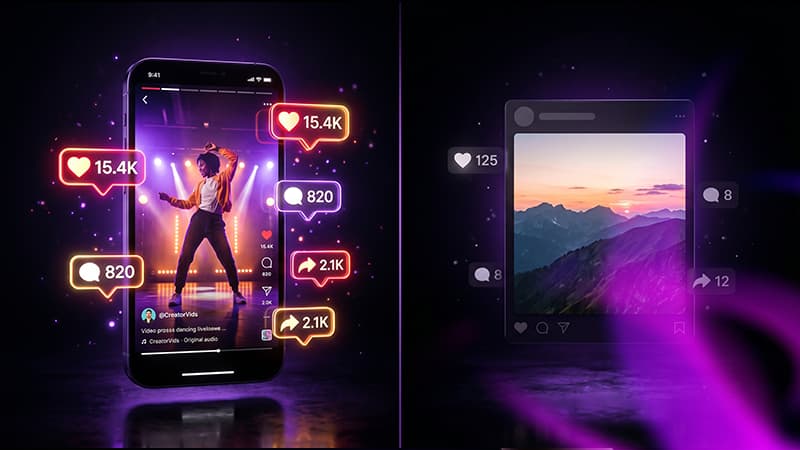
The final stage of the video production process is distribution. This involves delivering the video to the target audience through various channels, such as social media, websites, television, or film festivals. A well-planned distribution strategy ensures that the video reaches the intended audience and achieves its objectives.
Conclusion
The video production process is a complex and collaborative effort that involves multiple stages and skilled professionals. From concept development to distribution, each step plays a crucial role in creating a compelling and impactful video. By understanding the behind-the-scenes work involved, you can better appreciate the art of video production and the dedication required to bring a vision to life.